
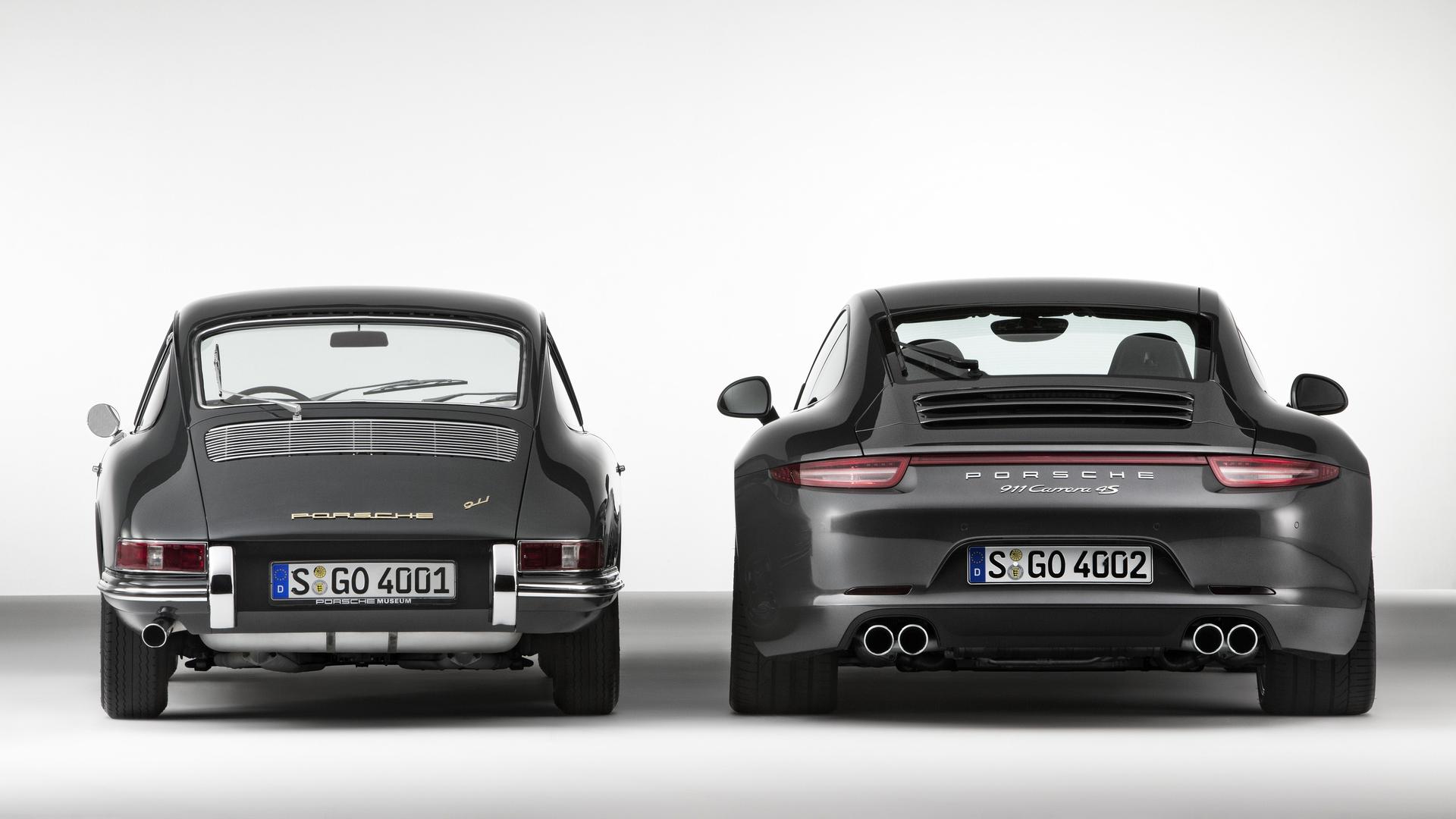
When you think Porsche, you probably imagine zipping along a scenic coastline in a sleek 911, or maybe cruising through town in one of their cushy Cayennes. But behind the luxury and elegance, Porsche’s story is a lot grittier—and a lot darker—than the glossy ads would have you believe. Buckle up, because this ride takes us from Nazi tanks to the world’s most coveted sports cars.
Ferdinand Porsche, the brilliant engineer who founded the brand, had more than a few skeletons in his garage. Born in 1875, Porsche was already showing signs of genius at a young age, tinkering with electric motors long before anyone knew what to do with them. He was basically building the future in his attic while everyone else was still using oil lamps. By the time he hit his stride, he had designed revolutionary cars like the Lohner-Porsche Mixte, the world’s first hybrid. Yep, Porsche was thinking green long before it was cool.
But here’s where things get dicey: As war broke out in Europe, Porsche’s career took a sharp turn from innovation to destruction. During World War I, he began designing military vehicles, and by World War II, Porsche wasn’t just any engineer—he was Adolf Hitler’s go-to guy for building war machines. Tanks, to be exact. His most notorious creation was the Ferdinand, a tank destroyer that, despite its impressive name, didn’t exactly dominate the battlefield like Porsche hoped.
And it gets worse. Porsche didn’t just design tanks. He was a key player in bringing Hitler’s vision of the “people’s car” to life. That car? The Volkswagen Beetle. That’s right, the cute, lovable Bug that became an icon of peace and love in the '60s had its origins in one of history’s darkest periods. Hitler wanted an affordable car for the masses, and Ferdinand Porsche made it happen. So while the Beetle became a post-war symbol of freedom, its roots were far more sinister.
To top it all off, during the war, Porsche’s factories used forced labor—people pulled from concentration camps and POWs forced to work under brutal conditions. For decades, this part of Porsche’s legacy was kept in the shadows, but it’s since been acknowledged, with the company even contributing to reparations funds for survivors.
By the end of World War II, the Porsche name was tainted. Ferdinand Porsche himself was thrown into a French prison for 22 months for war crimes, and it looked like the brand might never recover. Enter his son, Ferry Porsche. While Ferdinand was cooling his heels in a cell, Ferry was busy reinventing the family business. In 1948, he unveiled the Porsche 356, a sleek sports car that marked a radical shift from the brand’s wartime history.
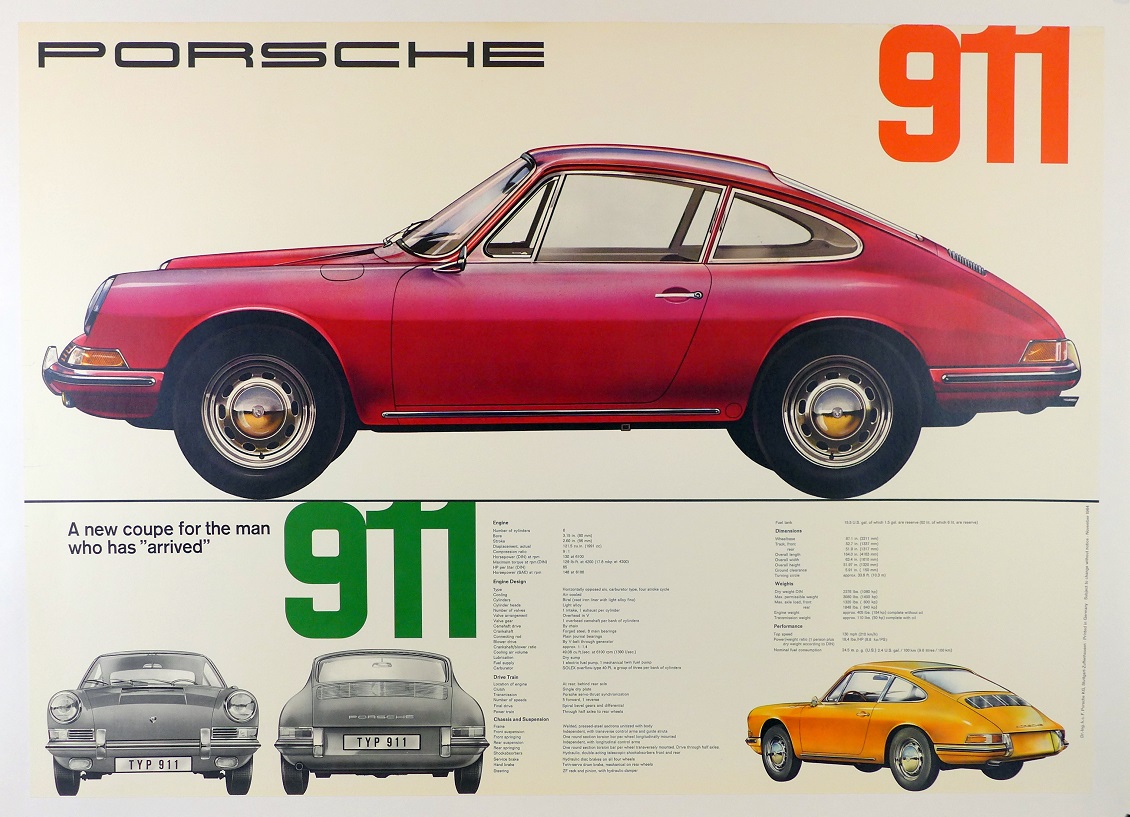
The real game-changer came in 1964 with the Porsche 911—a car so iconic it practically defines the brand today. With its distinctive design and unbeatable performance, the 911 didn’t just save the company—it turned Porsche into a symbol of luxury and speed around the world. Who could’ve guessed that a company once churning out Nazi war machines would someday be known for making some of the sexiest, most desirable cars on the planet?

And Porsche didn’t stop there. In the early 2000s, they decided to jump on the SUV trend with the Cayenne, a move that hardcore Porsche fans hated at first. But guess what? It became a massive hit. The Cayenne, along with its smaller sibling the Macan, helped Porsche survive some serious financial rough patches and expand beyond the sports car world.
But despite the success, the shadow of the company’s past still lingers. Porsche has made efforts to come clean, publicly acknowledging its wartime history and compensating former forced laborers. Still, the brand’s rise from Nazi collaborator to luxury car icon is a story that’s as complex as it is fascinating.
Today, Porsche is a global powerhouse, making everything from sports cars to electric vehicles, with legions of fans and a reputation for excellence. Yet the company’s history serves as a reminder that even the most glamorous brands can have dark origins. And when you see that 911 fly by on the highway, just remember: Porsche’s road to fame was anything but smooth.

.jpg)
.jpg)